


blog
The Row Minimalist Bag Edit The Row Tan Tote

How The Row Ended Up Defining Quiet Luxury
Ask around and over the last decade will tell you the same thing: The Row redefined the visual language of luxury. There were no attention-grabbing logos on a shoulder strap, no trend-chasing gimmicks, no vividly blocked campaigns crafted purely for screenshots. In place of spectacle, the label leaned on fabric weight, seam placement, and a form of discipline once seen as out of step with fashion. That restraint is now the whole point. The Row has become shorthand for “quiet luxury,” a phrase that gets thrown around loosely but that this brand actually earned through more than fifteen years of unglamorous discipline.
To understand how a solitary label reached this position, you have to look past the finished handbag or coat and into the decisions behind it — decisions about who founded it, its approach to pricing, and why its bags specifically became the object every pared-back closet seems to need.
Origins: The Unexpected Pivot of Mary-Kate and Ashley Olsen
Founded in 2006 by Mary-Kate and Ashley Olsen, The Row emerged from an unexpected turn: two onetime child actors, lifelong fixtures in front of cameras, set about building one of the most disciplined ready-to-wear labels of their generation. The name itself references Savile Row, the London street synonymous with bespoke the row handbags new tote bags tailoring, and that reference was not decorative. From the outset the Olsens were chasing construction quality more associated with menswear tailoring houses than with contemporary womenswear.
The first collections, small and pricey, drew skepticism from critics who doubted whether two actresses could manage anything beyond a vanity project. That skepticism didn’t last. In just a few years, The Row had secured industry recognition — a CFDA Award among it — and was carried seriously at Barneys and Net-a-Porter, far from a novelty line. Rather than a drawback, that slow, deliberate growth — few showy collaborations, next to no traditional advertising — became part of the brand’s identity.
By the 2020s, the Olsens’ creation resembled an atelier more than a typical fashion label, with pattern-cutting and fit sessions that could run for months over a single garment. That obsessiveness is the real engine behind the “quiet luxury” label, and it explains why the brand’s bags, in particular, became such coveted objects.
The Rise of “Quiet Luxury” as the Central Phrase
Thanks in part to TV and partly to a wider fatigue with branding-forward style, the phrase surged into mainstream usage around 2023. But The Row had already been doing this since 2006, long before anyone had a name for it. The label’s philosophy is built on a few consistent principles: neutral palettes dominated by black, cream, camel and grey; materials chosen for tactile quality over seasonal trendiness; and cuts that seldom shift significantly season to season.
Consistency is treated by this brand as a merit, rather than a creative limitation. Little in the design vocabulary changes, so a 2019 coat and a 2026 piece can sit side by side without either looking out of date. That’s by design. Staying power rather than viral appeal is The Row’s aim, because shoppers who spend four figures on a single item usually want endurance rather than something new.
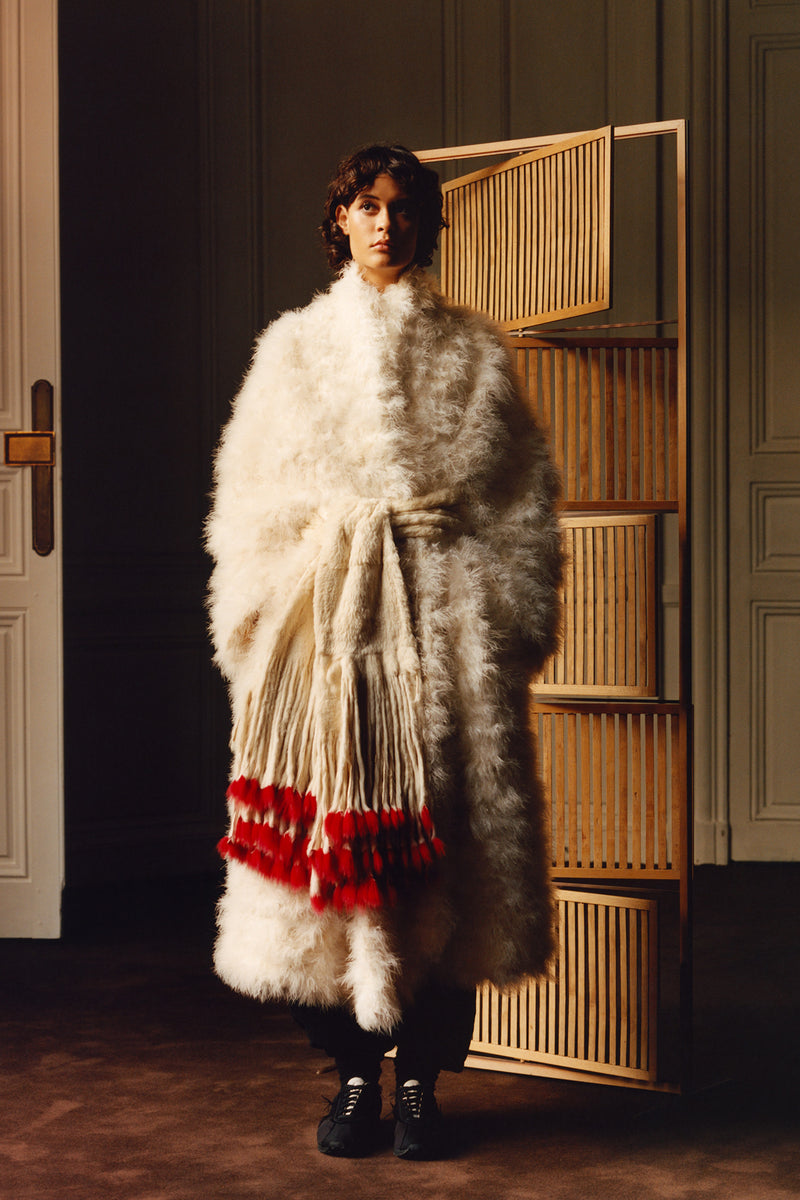
Price is part of the story too. The Row’s market stance sits at the very top of modern high-end fashion, with ready-to-wear pieces often climbing to thousand-dollar territory and accessories occupying a comparably exclusive range. This kind of pricing reinforces exclusivity, but it also mirrors genuine production costs: Italian and Japanese textile sourcing, hand-finishing, and limited manufacturing batches that steer clear of the excess-stock cycles common at larger houses.
Where the Brand’s Reputation Really Lives: The Bags
While outerwear laid the groundwork for The Row’s early acclaim among critics, the bags are the thing that propelled the brand into widespread cultural recognition. Online search activity around “the row bags,” “row handbags,” and “the row handbags” has grown steadily as stylists, editors and everyday shoppers alike began regarding select styles as long-term investment pieces rather than short-lived seasonal picks.
The Margaux is the obvious centerpiece. Introduced in the mid-2010s, it became one of those rare bags that transcended its own category — praised for slouchy, structureless leather that looked expensive precisely because it wasn’t trying to look like anything else. Shoppers searching “where to buy The Row Margaux bag” are usually met with long waitlists at flagship stores and select luxury retailers, because production is intentionally limited. That scarcity is not a marketing trick so much as a byproduct of the brand’s small-batch manufacturing philosophy.
The brand’s tote styles, beyond the Margaux, have attracted equally loyal fans. The Row’s tote offerings typically prioritize exaggerated scale, understated fittings, and leather intended to soften and take on personality through wear rather than remain flawless-looking. Unlike bags engineered to appear unchanged from day one through day five hundred, these pieces are meant to evolve with wear. For anyone forming a “row bags overview” mentally, it helps to know the house generally divides its bag offerings into structured top-handles, slouchy shoulder bags, and large-scale totes — three categories that account for most of what’s considered the top row bags by secondary-market worth and press coverage.
Weighing The Row’s Defining Bag Families
Shoppers trying to decide where to start will find it helpful to see the main bag families side by side. The comparison below outlines general characteristics reported across retail and resale platforms rather than locked-in costs, since availability and cost change according to new drops and resale demand.
| Bag Style | Silhouette | Ideal Use | Buyer Interest |
|---|---|---|---|
| Margaux | Softly structured, slouchy tote | Daily luxury wear, transitioning from office to weekend | Extremely high; frequent waitlists |
| The Row Tote (oversized styles) | Oversized tote with pared-back hardware | Work, travel, and capsule-collection use | Elevated; reliably sought after on the secondary market |
| Styles with a top handle | Structured, compact | Formal occasions, evening use | Moderate; more niche but steady |
| Designs in shoulder bag form | Loose, softly shaped | Everyday casual wear | Strong; popular among minimalist-leaning shoppers |
What the table doesn’t fully capture is resale behavior. Several of these styles hold their worth unusually well compared to other luxury handbag houses, which is part of why searches for “best row bags” frequently direct people toward resale sites and consignment shops rather than just first-hand retail channels. Limited supply combined with a consistent aesthetic adds up to a genuinely defensible resale market — a feat not every luxury label can pull off.
How The Row Ready-to-Wear Positions Itself in 2026
Heading into 2026, The Row’s broader ready-to-wear line continues to expand cautiously — the foundation remains tailored trousers, cashmere knitwear, and minimal outerwear, with the odd footwear or jewelry addition that follow the same restrained approach. The label has avoided the round of collabs many of its contemporaries rely on for relevance, and it still declines to invest heavily in social media marketing as most fashion houses now treat as routine.
That restraint has, paradoxically, kept it relevant. The Row fashion is regularly mentioned in end-of-year “quiet luxury” lists not because it changed to meet a trend, but because the broader movement eventually arrived at what the brand had already been doing since 2006. Retailers note that interest spikes around awards season and major fashion weeks, when stylists and editors put Row pieces on red carpets and front rows, solidifying the label’s identity without a single paid placement.
Row Sale Occasions and How Shoppers In Practice Buy In
With price points like these, no small number of buyers hang back for a row sale rather than purchasing at full price, and this has settled into its own seasonal ritual. Since The Row seldom marks down via its own channels, the bulk of discounting occurs via authorized multi-brand sellers throughout their general seasonal discount stretches, along with targeted stock clearance through resale and consignment marketplaces. Those chasing marked-down the row bags should anticipate prior-season colorways and sizing rather than current-season releases, since newer styles seldom go on sale fast.
Here, patience usually pays off. Since output volumes are limited, discounted stock vanishes quickly, and sought-after Margaux sizes almost never make it through an entire discount stretch. Those genuinely aiming to snag a marked-down item typically keep an eye on more than one retailer as opposed to counting only on the brand’s direct site, since independent sellers often get to sale pricing quicker.
Why the Appeal Endures
The Row’s ascent reveals something larger about where luxury buyers have shifted. Following an extended period of maximalist, logo-heavy status signaling, a meaningful portion of the market started placing worth on going unnoticed — pieces that speak to those who recognize them, without shouting, rather than flaunting value for all to see. The Row made no effort to follow that change; it simply kept doing what it started doing in 2006, and the industry, in time, arranged itself around that identical set of principles.
Whether the entry point is a single tote, a waitlisted Margaux, or a full wardrobe built slowly over years, the label’s central promise remains the same: less, but better, crafted with little fanfare. Holding to that promise at scale isn’t easy, and it’s exactly why The Row still remains almost unrivaled at the summit of quiet luxury heading into 2026.